
Imagine this scenario: A child sits engrossed on the couch, flipping through colorful pages, forgetting the world around them. Another child rolls their eyes at the mere sight of a book spine and prefers to reach for a tablet. Many parents find themselves wondering in precisely these moments: Why some children love books – and how you can help your child develop that love too.
The fascination with the written word and with lovingly illustrated pages is rarely a pure coincidence. It is rather a mixture of early experiences, the right environment, and a pinch of parental sensitivity. When it comes to the topic Children and Books goes, there is no magic switch that can simply be flipped. But there are numerous proven methods to awaken and sustain a fascination for reading.
In this comprehensive guide, we dive deep into the psychology of reading. We'll show you how to spark enthusiasm for Children's stories ignites, what tricks help with real reading refusers, and how you can create an environment where reading becomes their absolute favorite activity.

Why some children intrinsically love books
It often seems as if some children are born with a book in their hands. However, behind this apparent „natural gift“ are usually very specific early childhood influences. One of the strongest factors is Parents' role model in reading. Children are excellent observers. When they see Mom or Dad reading a book to relax in their free time, they understand reading as something positive and desirable. However, if books are only considered decoration in the household, the child will lack a natural connection to them.
Another crucial point is the Emotional bonding through shared reading. For a child, being read to means much more than just taking in a story. It means: Mom or Dad is taking exclusive time for me. The child sits on a lap, feels the physical closeness, smells the familiar scent, and hears the soothing voice. This combination of physical security and mental stimulation inextricably links the topic of books with positive emotions.
When should you start reading aloud? The perfect start
Many new parents wonder: When do you start reading aloud? The experts' answer is unanimous: As early as possible! You can lay the foundation in the first few months of life.
Of course, a three-month-old baby doesn't understand a complex plot yet. But with the early childhood reading promotion at home At this age, it's about other things. It's about hearing the melody of language, looking at strong contrasts (like in black-and-white books), and later about grasping and feeling. Touch-and-feel books, crinkle books, or thick board books are perfect introductory media. The baby learns: a book is an exciting object to explore.

The Magic of Reading Aloud: More Than Just Words
Regular reading aloud is a true wonder drug for a child's development. The Benefits of reading aloud for language development are scientifically well-documented. Children who are read to daily have a significantly larger vocabulary by the time they start school than their peers. They understand complex sentence structures better and find it easier to learn to read themselves later on.
But that's not all. In our fast-paced, often overstimulating world, you can specifically Increase concentration with books. A book challenges the child to focus on a single thing, follow the plot, and imagine pictures in their own mind. It trains endurance and attention span – skills that are essential in school.
Audio Drama vs. Reading Aloud: What's Better?
The question often arises whether an audio drama can replace reading aloud. If we consider the Audio drama vs. reading aloud effect When compared, it quickly becomes clear: Both have their justification, but they have different effects.
Audio plays are fantastic for stimulating the imagination, keeping children entertained on long car rides, or quieting them down for sleep. However, something else happens during read-aloud sessions with parents: interaction. When you read aloud, you can adjust the pace, pause when the child is thinking, and respond to questions. The audio play just keeps going; the person reading aloud, on the other hand, senses what the child needs at that moment. Therefore, the following applies: audio plays are a great supplement, but not a complete substitute for shared reading time.
How to spark an interest in books? Practical tips
The question „How to spark an interest in books? many parents ask, especially when the competition from televisions and tablets is fierce. Here are some tried-and-true strategies to Promoting a love of reading in children to be able to
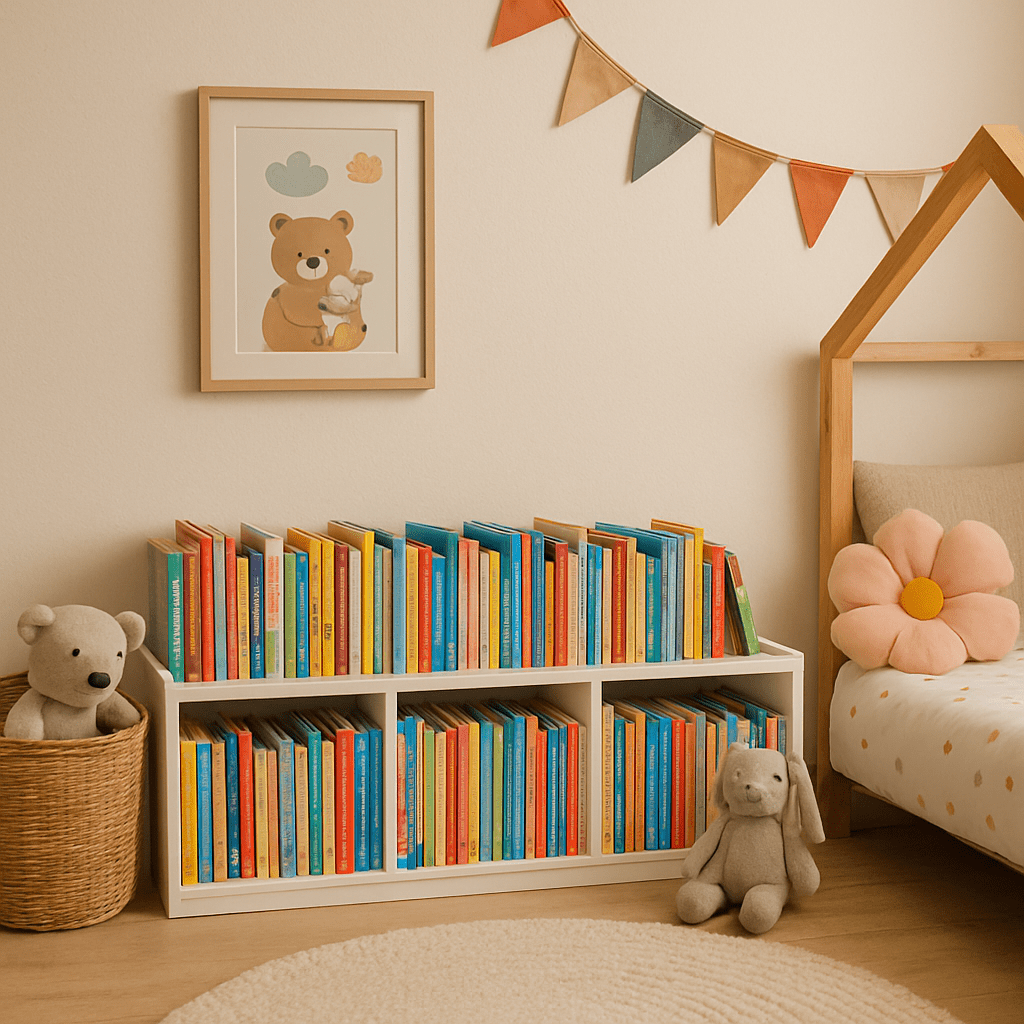
- Making books accessible: Books shouldn't be out of reach on the top shelf. A low, so-called Montessori bookshelf, where children can see the covers (and not just the spines), works wonders.
- Pick up on the child's interests: Does your child love dinosaurs, excavators, or horses? Perfect! Get books on these exact topics. The content will engage your child, and reading will happen naturally.
- Library visits as an event Make a visit to the local library a weekly highlight. Let your child wander through the aisles themselves and choose what they want to borrow. Making their own choices greatly boosts motivation.
- The book of the film: If your child loves a particular movie, get the book it's based on. The familiar characters make it easier to get into the printed story.
The Reading Environment: Creating a Haven of Well-being
To want to read, you have to feel comfortable. Here are a few Cozy reading nook tipsFind a quiet corner in the kids„ room or living room. Lay a soft mattress or plenty of thick cushions on the floor. A canopy or a small tipi tent will create a cozy retreat (a “den") that children love. Ensure a warm, but sufficiently bright light source, ideally a nice reading lamp. If the reading corner is inviting, the child will crawl there all by themselves to open a book.
Routines and rituals in everyday life
Children love predictability. Routines Evening read-aloud rituals They not only help with winding down after an exciting day but also anchor reading as a firm part of life. The „brush teeth, put on pajamas, cuddle, and read a story“ structure signals to the child's brain: It's time to relax. This ritual should take place without time pressure and ideally be performed at the same time every day.
Interactive Read Aloud Techniques: Bringing the Book to Life
Reading aloud is not the same as reading aloud. Anyone who simply rattles off a text monotonously quickly loses the attention of their little listeners. However, those who Interactive read-aloud techniques applies, turns a story into an unforgettable experience.
- Distorted voices: Give each character their own voice. The bear growls deeply, the mouse squeaks softly, the witch croaks. This makes the story lively.
- Asking questions (Dialogic Reading): Instead of just reading aloud, it involves the child. „What do you think is behind this door?“ or „Where is the little dog hiding in this picture?“. This encourages them to think along and speak.
- Make connections to everyday life: „Look, the girl in the book is sad today, just like you were yesterday when your ice cream fell.“ This is how children learn that books can help them cope with their own feelings.
- Let the child act: Let the child turn the pages or finish sentences in frequently read favorite books on their own („And then came the big, bad... [child shouts: WOLF!]“).
Why is my child refusing to read? First aid for reluctant readers
It's the nightmare of many parents, especially in elementary school: „Why is my child refusing to read?“Before you panic, it's important to get to the root of the problem. Often it's overwhelm. When academic pressure arises at school, reading quickly becomes perceived as a chore rather than a pleasure. Sometimes, undetected vision problems or a reading and spelling disorder (LRS) are also to blame. Once you've ruled out medical or educational reasons, it's about finding the Motivating reluctant readers to be able.
Here are emergency tips for reading refusers:
- Take the pressure off Don't force your child to read. Coercion creates counter-pressure.
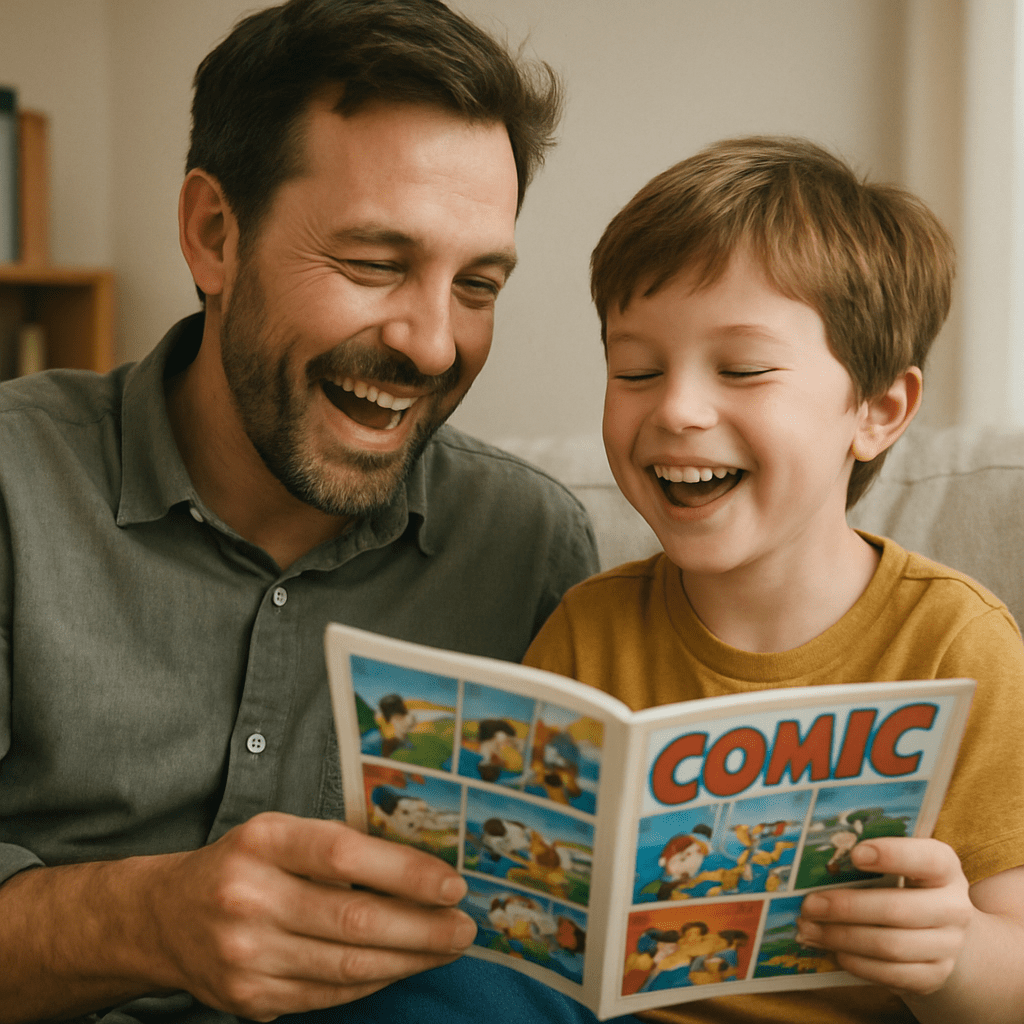
- Offer alternative reading materials: It doesn't always have to be a thick novel. Comics (like Funny Pocket Books), graphic novels, hobby magazines, or non-fiction books with lots of pictures and short text boxes (e.g., the Guinness Book of Records) also count as reading!
- Reading games Write little messages that the child has to find in the house. („There's a chocolate for you in the kitchen“). Whoever wants the chocolate has to read the sentence.
- Tandem Reading: Let's read together. You read one page, the child reads the next sentence. This way, the reading flow is maintained and frustration decreases.
Best Children's Books by Age Group: Our Children's Book Recommendations
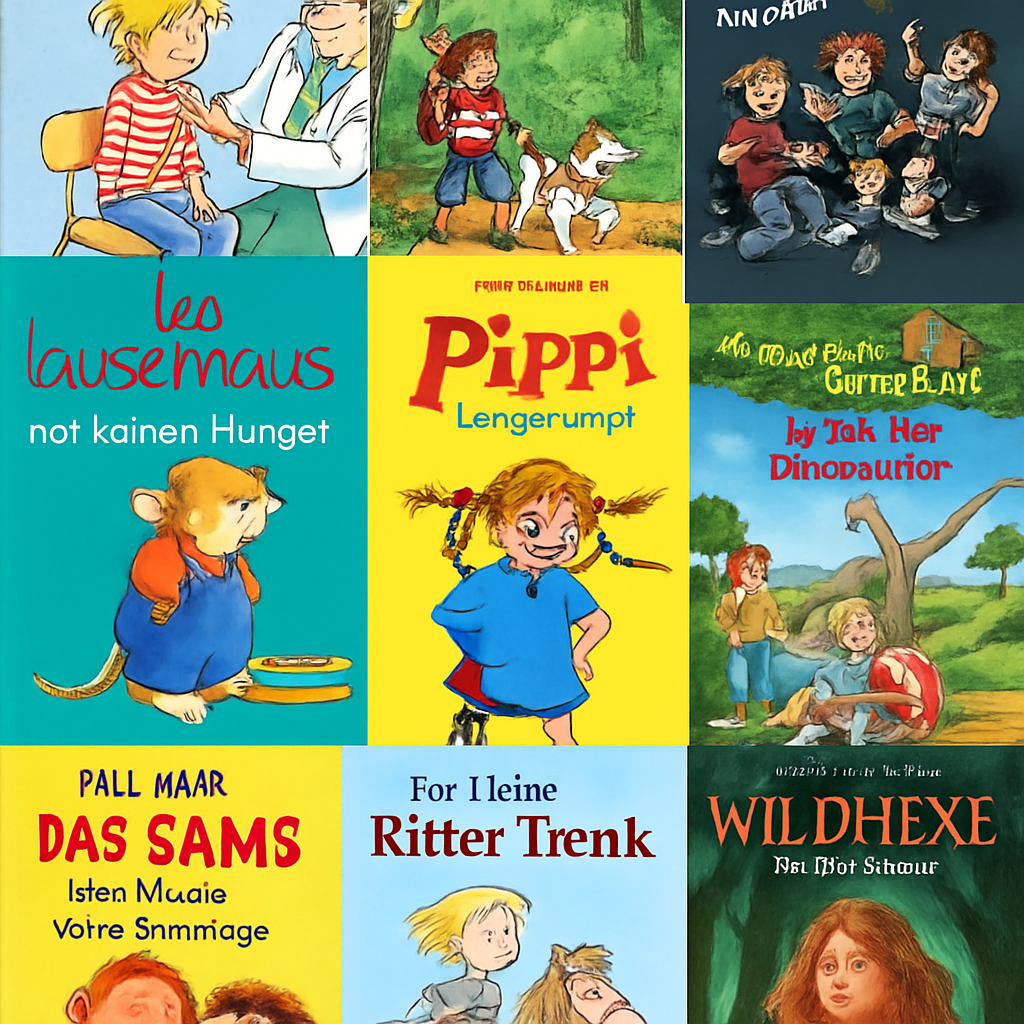
To make it easier to get started, you need the right material. What's exciting for a three-year-old will bore a schoolchild. Therefore, we have broad categories here and Children's book recommendations In summary, to the Best Children's Books by Age Group for you to classify.
For babies and toddlers (0-2 years): The discovery phase At this age, touch and recognition are the focus.
- Fabric and Crinkle Books Perfect for the little ones, as they can be explored with all senses.
- Word Picture Books Books that show everyday objects (ball, car, apple) on every page. They are ideal for first language acquisition.
- Activity books Books that you have to shake, blow on, or pet.
For kindergarten children (ages 3-5): Imagination awakens Now things can get more complex. Stories with a bit of a suspense arc are in demand.
- Search-and-find books They get by entirely without text, but they promote precise observation skills and offer endless conversation material.
- Books about everyday adventures: Topics like the first day of kindergarten, getting a sibling, or potty training help children understand their own world.
- Image stories Children love rhymes! They are quickly memorized and promote phonological awareness.
For Preschool and Early School Children (Ages 6-8): Reading and Listening Independently The transition from being read to reading oneself is a critical phase.
- First reading books They are characterized by large font, generous line spacing, many images, and short, simple sentences (often divided into reading levels).
- Funny and exciting read-aloud books: Even if the child can already read on their own, reading aloud should not stop. Now read more demanding, magical, or adventurous stories.
- Knowledge Books Many children at this age develop an extreme thirst for knowledge (space, animals, the human body). Child-friendly encyclopedias are worth their weight in gold here.
For older children (9 years and up): Jumping into Your Own Worlds This is where it's solidified whether a child becomes a lifelong reader.
- Book series Series are fantastic because children bond with the characters and immediately want to know what happens next in Volume 2 after finishing Volume 1.
- Fantasy and Adventure: Immersing yourself in entirely unfamiliar worlds stimulates imagination to the maximum.
- Comics and Graphic Novels: A great bridge for children who are put off by too much text but still love engaging stories.
Conclusion: Patience, love, and the right choice
In summary, the question „Why some children love books — and how you can instill that in your child“ cannot be answered by a single magic bullet, but rather through continuous, loving guidance.
Don't turn reading into a school chore, but into cozy family time. Create an environment where books are present and easily accessible. Be a role model yourselves, put down your smartphones more often, and pick up a book. Use interactive reading techniques to bring stories to life, and respect your child's individual preferences – even if it's the umpteenth comic book or the thirtieth book about excavators.
When you associate reading with closeness, security, and joy, you give your child a gift that will accompany them throughout their lives: the ability to travel to other worlds anytime and anywhere.