
You know the situation: You go to the supermarket because you actually only need milk, bread, and a few eggs. Half an hour later, you're at the checkout, your cart is full, and you're 50 euros poorer. How did that happen? The answer lies in how our brains work and the sophisticated strategies of retailers. Often the harsh conclusion of Psychology: These 7 supermarket tricks cost many people a lot of money every year – are you affected too? If you're honest with yourself, the answer is probably yes.
Shopping is no longer just about meeting needs; it's an emotional and psychological journey meticulously planned by marketing experts down to the smallest detail. In this article, we'll reveal the secret methods and show you how to effectively protect your wallet in the future.
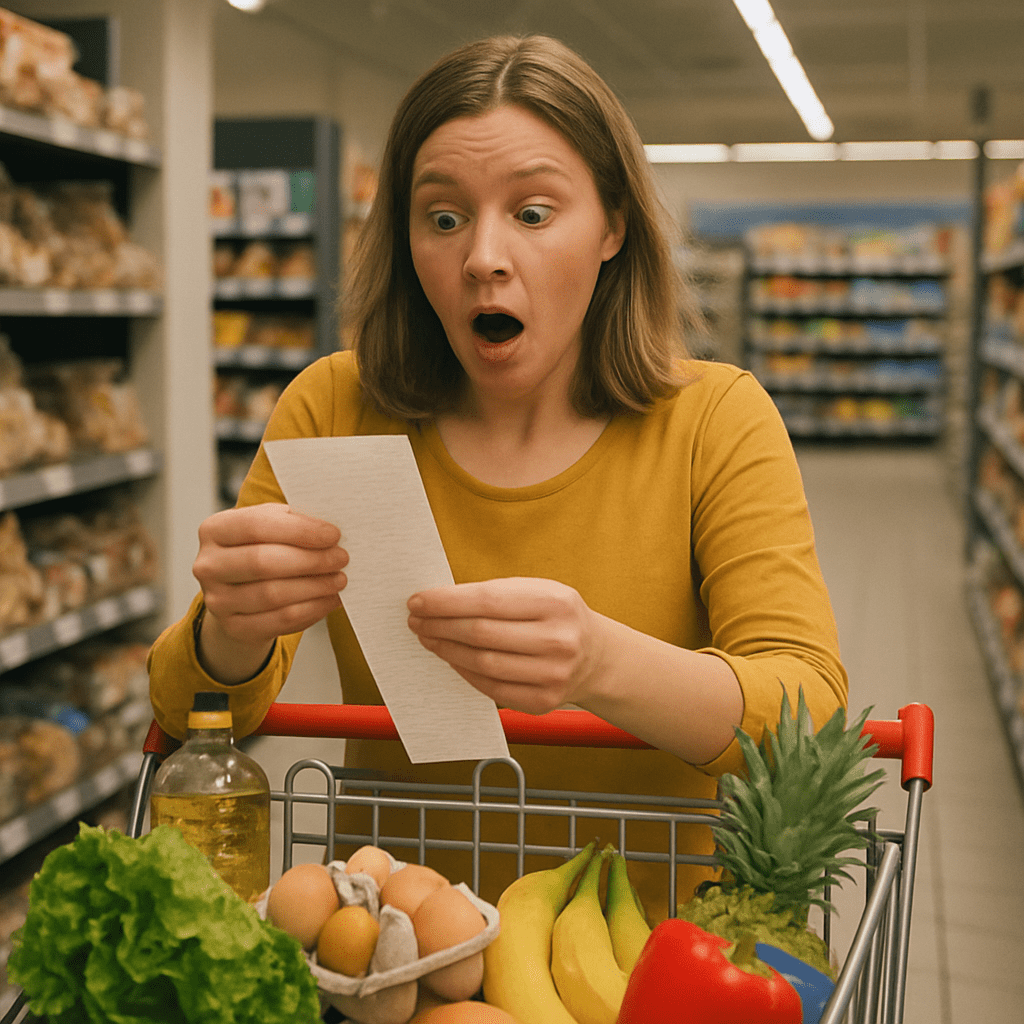
Understanding Sales Psychology in the Supermarket: Nothing is Left to Chance
To avoid falling into classic cost traps any longer, you must first Understanding Sales Psychology in the Supermarket. When we go shopping, our brain often switches into a kind of autopilot mode. We make around 35,000 decisions every day – a large portion of them unconsciously. Retailers take advantage of this exact phenomenon.
Today, large chains are relying on sophisticated Neuromarketing Strategies in Retail. This involves researching how our brains react to specific stimuli like colors, scents, lighting, and music. The goal is always the same: to extend your time spent shopping, increase your well-being, and lower your inhibitions to spending money. Once you understand these mechanisms, you'll regain control over your shopping behavior.
The 7 Most Expensive Supermarket Tricks
Below, we take a closer look at the most common manipulation techniques and explain why they work so incredibly well.
Trick 1: Supermarket Layout and Customer Guidance (The Maze Principle)
Ever wondered why fruits and vegetables are almost always placed right at the entrance? That Supermarket Layout and Customer Flow are designed to immediately greet you with fresh, colorful colors and pleasant smells. Psychologists call this effect „priming.“ When we put something healthy in the cart right at the beginning, we feel good. This positive feeling („I was already healthy“) later legitimizes reaching for chocolate and chips.
In addition, staple foods like milk and flour are usually hidden at the very back of the store. This forces you to walk past hundreds of other tempting products.
Tip 2: The "visual zone" trap (Top, bottom, or middle?)
One of the most common questions when shopping is: Why are expensive products at eye level? The answer is simple: convenience. The Arrangement of merchandise in the sales area follows strict psychological rules. The human eye prefers to scan shelves horizontally at a height of approximately 1.20 to 1.60 meters. This is where supermarkets place the products with the highest margins and expensive brand-name items.
Anyone who wants to save must lower or raise their gaze. If you look at the Buck zone versus Reck zone price differences It quickly becomes clear: At the very bottom of the shopping zone (up to about 80 cm in height) are the inexpensive no-name products. The top shelf of the shopping zone often features specialty items. The saying „Eye level is buy level“ is the golden rule of supermarkets.

Tip 3: Psychological price thresholds and loss leaders
The number 9 is the most powerful digit in retail. A product priced at €1.99 seems significantly cheaper to our brains than one priced at €2.00. We read from left to right and subconsciously register the „1“ as the main price. Such Psychological Price Thresholds and Lure Offers undermine our rational thinking.
Another phenomenon is supposedly cheap Supermarket Deals. Large red signs reading „Sale!“ suggest a bargain. Often, however, they simply highlight the regular price in red or advertise an unnecessarily large quantity („Buy 3, pay for 2“). This is where you’ll often find Hidden costs from advertising traps, because if you buy things you don't really need—just because they're on sale—you won't have saved any money in the end; you'll have spent more.
Trick 4: Manipulation through artificial scarcity
„Only while supplies last!“ or „Maximum 3 packs per household!“ - such signs create panic in us. This Manipulation through artificial scarcity triggers our primal survival instincts. Our brain tells us: If this product is so sought-after that it’s being rationed, it must be valuable. I have to grab it right away before someone else does! This trick leads us to impulsively stockpile items we often don’t even need.
Trick 5: The Invisible Web of the Senses
Have you ever noticed what kind of music is playing at the supermarket? If you're wondering: How does music influence purchasing behavior?, Here’s the fascinating answer: Slow, relaxing background music (with about 60 to 80 beats per minute) subconsciously slows down our heart rate—and thus our walking speed as well. People who walk more slowly spend more time in the store. People who spend more time in the store buy more.
The aroma of freshly baked bread from the in-store bakery is often the result of sophisticated ventilation systems that direct the scent into the sales area to whet your appetite.
Tip 6: The Illusion of Brand Diversity
A critical Private Labels versus Brand-Name Products Comparison often shows a surprising picture. Many reach blindly for the expensive brand because they suspect better quality. In reality, however, countless private label products (which are often placed in the bottom shelf) are manufactured in exactly the same factories and with almost identical recipes as the expensive branded items next to them. The supermarket exploits our habit and our trust in certain logos to sell us the more expensive product.

Trick 7: The Whine Zone at the Checkout
You resisted the whole grocery trip and only bought what you really need? The supermarket still has one last ace up its sleeve: the checkout area. After dozens of small purchasing decisions, our brain suffers from „decision fatigue.“ Our willpower is depleted by the end of the shopping trip.
This is exactly where chocolate bars, chewing gum, and small snacks are waiting. To Avoid impulse buys at the checkout. To be able to, it takes iron discipline. The checkout lines are deliberately built narrow so that you can't easily turn back, and the waiting time gives you enough opportunity to give in to the candy aisle.
Recognize and bypass supermarket tricks: How to protect your wallet
Now that you know the mechanisms, it's time for effective countermeasures. Recognizing and bypassing supermarket tricks It's not that hard at all if you learn a few firm rules. Here are the best ones Save money on weekly grocery shopping tips:
- The most important shield: One of the most effective tips is Create shopping lists. A list takes the on-site decisions away from you. Our advice: a classic Shopping list to prevent impulse buys protects you like a guide through the supermarket maze. Ideally, write the list in the order of the supermarket layout.
- Never go shopping hungry. It sounds cliché, but it's scientifically proven. A growling stomach makes us more susceptible to impulse purchases, as the body seeks quick energy (sugar and carbohydrates).
- The headphone trick: To protect yourself from manipulative music and soothing background sounds, just put on your headphones. Listen to your own music—something a little faster. This will help you stay focused and move quickly through the store.
- Use the price per kilo as a weapon: Don't be fooled by large packaging or red price tags. Always look at the unit price (price per 100g or per kilo). This is the only way to compare supermarket tricks how to expose shrinkflation (less content for the same price).
- Stretch and bend over: Make it a habit to first look at the very bottom of the bottom shelf or all the way to the top before placing the product at eye level in your cart. Identical quality and significant savings often await you there.
- Cash payment as a psychological brake Those who pay with cards or smartphones feel the pain of spending money less. If you withdraw a fixed weekly budget in cash and only take that money with you for shopping, you have an absolute and physical limit.
Conclusion: Mindfulness pays off
Retailers are investing millions in researching our purchasing behavior. But knowledge is power. When you understand how lighting, music, pathways, and price tags work together, you transform from a passive consumer into a smart shopper.
Remember the psychological traps of unconscious buying on your next visit. Critically ask yourself: Do I really need this, or am I just reaching for it because it's at eye level and has a red sign? Those who consistently write shopping lists, keep their eyes open, and specifically look for alternatives on the lower shelves can easily save several hundred euros a year. Put an end to expensive impulse purchases and take control of your shopping cart!